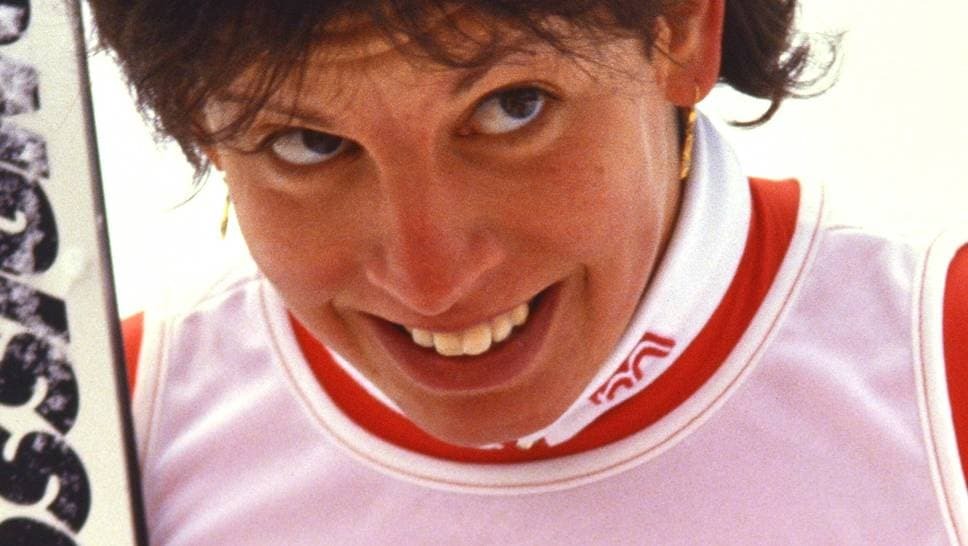
Vreni Schneider, the most successful female skier in Swiss Alpine history, is celebrating her birthday. The exceptional racer, marked by a stroke of fate, is remembered not only for her sporting excellence.
In her homeland, she was roughly what Rosi Mittermaier was for German winter sports. Or, more broadly, what Steffi Graf meant for German sports as a whole.
In the Corona year 2020, this assessment was confirmed when the newspaper Blick canceled the “Athlete of the Year” election due to the impairments and instead called for votes for the greatest Swiss athletes. Winner among the men: Roger Federer, clearly. Winner among the women: Vreni Schneider.
The most successful World Cup racer in Swiss Alpine history is 61 years old today – and can look back on an impressive record career.
Vreni Schneider: Only three stars were even more successful
With 55 World Cup victories, Schneider was long the number 2 in the eternal World Cup ranking behind Austrian icon Annemarie Moser-Pröll. Today, she is still number 4 behind Mikaela Shiffrin (currently 103), Lindsey Vonn (82) and Moser-Pröll (62).
In addition, there were three Olympic victories (slalom and giant slalom in Calgary 1988, slalom in Lillehammer 1994), three World Championship titles, three overall World Cup victories and a total of eleven small crystal globes in her two special disciplines. Schneider achieved podium finishes in all divisions throughout her career. Her fabulous season in 1988/89 with a total of 14 victories was also unsurpassed for 30 years – before Shiffrin surpassed the record in 2019.
Vreni Schneider at the 1988 Olympics in Calgary
Schneider had learned to ski at the age of four and quickly emerged as a great talent. After her World Cup debut at the end of 1983, she matured in the slipstream of Swiss record world champion Erika Hess to become the world-class racer that she remained until the end of her career in 1995: After her record winter in 1988/89, she also ended her last two seasons with the big crystal globe – only when Schneider retired was the way clear for the World Cup coronation of the then best German Katja Seizinger.
Schneider’s great strength was technical precision: “Her unspectacular but millimeter-accurate style never made Schneider look really fast. That was deceptive,” the Spiegel once described what made the exceptional racer. Schneider’s second runs were also feared: It is unforgettable how she went into the second run in the Sierra Nevada in 1994 with a 1.93 second deficit – and ended up in 1st place, with a 1.36 second lead.
Ski legend “unique as an athlete and as a person”
The exceptional racer of the late eighties and early nineties was never a dazzling star like Shiffrin or earlier Vonn: The modest circumstances from which she came have always been reflected in her personality.
Schneider – actually: Verena Schneider – was born on November 26 in the 600-inhabitant village of Elm in the canton of Glarus. The daughter of a shoemaker was marked by a stroke of fate in her youth: her mother died when she was 16, which meant that she had to take early responsibility for her three younger siblings.
Her sense of family was later appreciated in the ski scene, also by the competition: “Vreni was always friendly, talkative and modest,” recalls the former German world champion Martina Ertl in the Tagesanzeiger .
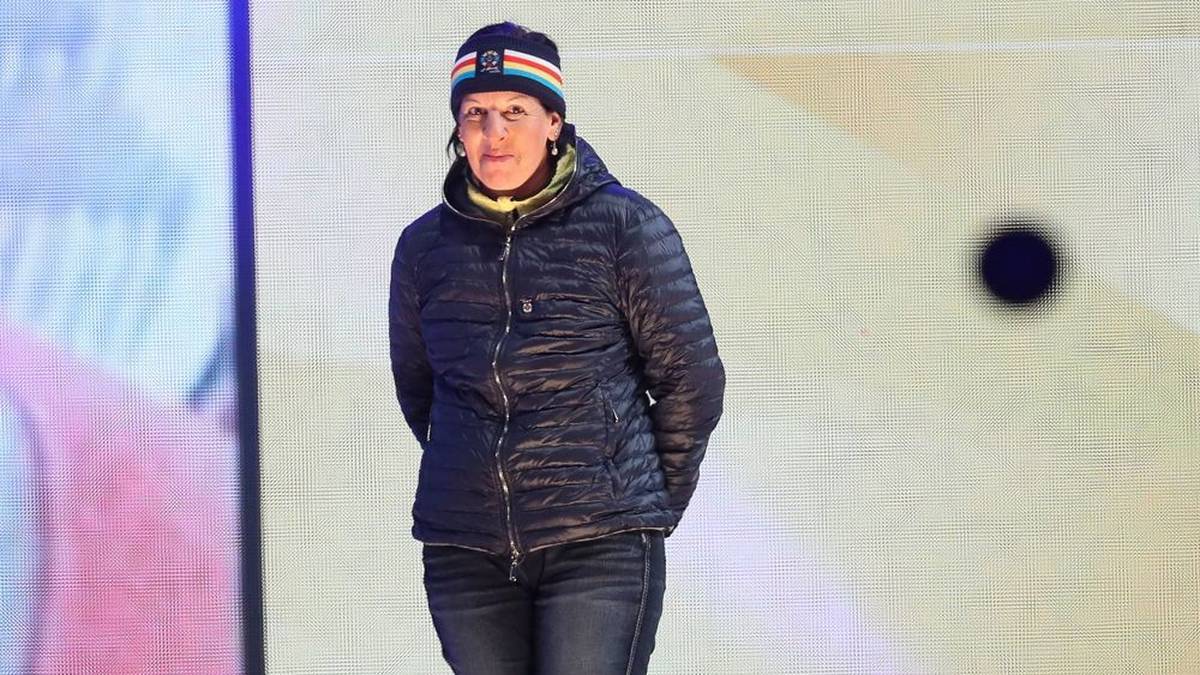
Vreni Schneider at the World Cup in St. Moritz 2017
“Vreni was unique, as an athlete, but also as a person,” adds former national coach Jan Tischhauer: “The fact that she remained so modest and without star airs despite all the successes was unbelievable.”
In her small hometown, Schneider always remained rooted and also founded her own family there with her husband – with whom she runs a ski school – and her two sons. She revealed another passion in 2012 with the recording of a folk music album.
The ski legend will almost certainly spend her honorary day today very quietly and modestly. Already for her 60th birthday she had announced that she would not make a big deal out of a big celebration.
“`