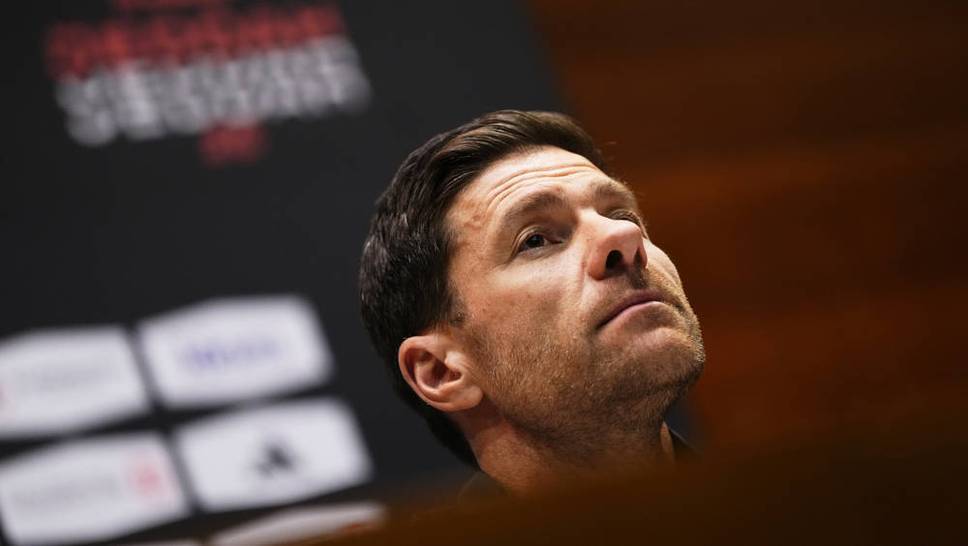
Xabi Alonso is no longer coach of Real Madrid. After the defeat in the Supercup against FC Barcelona, the club pulled the plug. This step was only surprising at first glance – the end had been in sight for some time.
Xabi Alonso seems to have had his first doubts even before his tenure at Real Madrid had begun. In spring 2025. Speculations about the Spaniard were already running high, and the possible move from Leverkusen to the Madrid club was an open secret. Everyone was talking about it – except for one person. Alonso himself, when he spoke at all, was cryptic.
To the same old questions about his future, he always gave the same answer. “Everything in its own time,” he said, essentially, almost week after week. Alonso fought with himself. His concerns were palpable, especially among his closest circle. He and his family had come to appreciate the quiet life in the Rhineland. But to say no when the Royal Whites call? Hard to imagine. In hindsight, every skepticism seems justified.
Alonso at Real Madrid: From Stroke of Luck to Scapegoat
When Alonso arrived in Madrid last summer before the Club World Cup, he was welcomed as a highly sought-after coach, as a personified stroke of luck for a club he once played for. 232 days later, his tenure is already history.
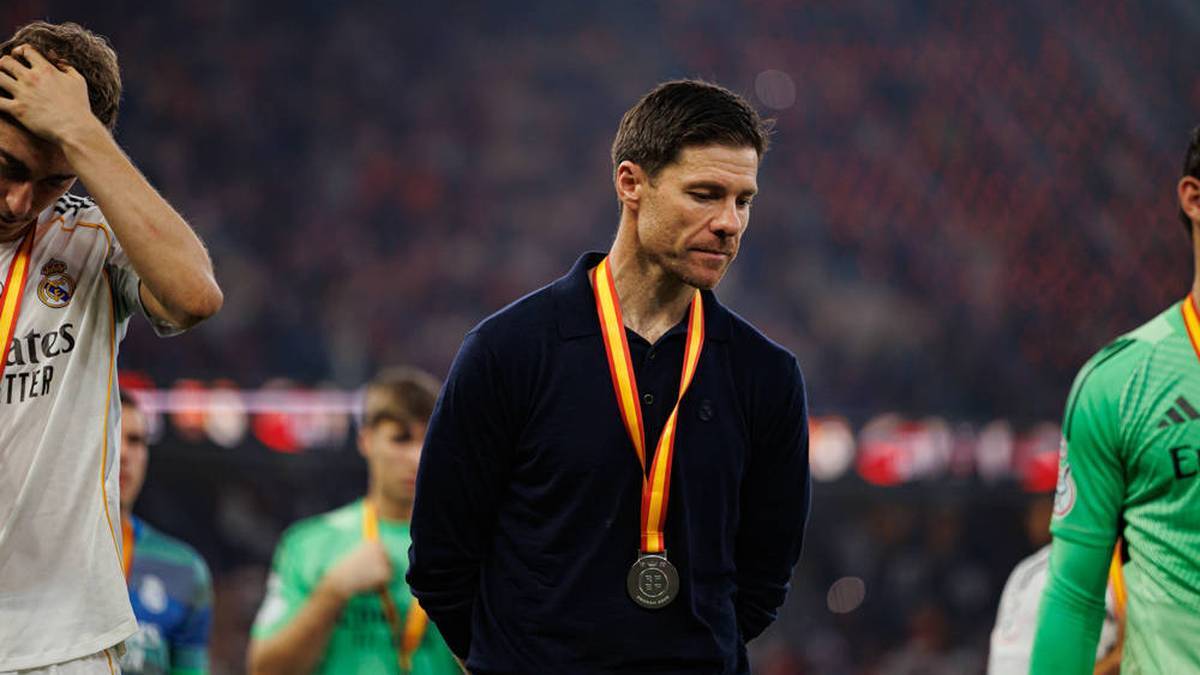
Xabi Alonso is no longer coach of Real Madrid
The Spanish top club announced the bombshell on Monday and apparently deemed the step absolutely necessary amidst a season without a clear direction, marked by a lack of continuity and an increasingly negative dynamic.
Alonso’s Exit: Team Reportedly Learned About It From the Media
According to media reports, many fans felt blindsided by the timing of the separation. The team reportedly felt similarly, only learning of Alonso’s departure through the club’s press release.
Officially, it’s referred to as a mutual decision, but in reality – as reported by Marca , among others – the impulse came from the club. However, the move was by no means truly surprising upon closer inspection. Unrest and tensions had been building for some time.
At Real, the view finally prevailed that a separation was the most sensitive solution for both sides. Alonso, who had neither sought this conversation nor seriously considered a departure, knew how to interpret the signs.
What Alonso Was Accused Of at Real
The whispers about his future had recently become too loud, the feeling that the project had lost its momentum too clear. So Alonso accepted the club’s proposal and agreed to his exit.
This ended a phase that had begun with great enthusiasm but ultimately disintegrated amidst conflicts and a lack of results.
The criticism of Alonso followed a clear pattern: He neither managed to give the team a recognizable playing identity nor did he develop the necessary authority in the dressing room.
In addition, there were numerous setbacks in the form of injuries or the long-term absence of key players. And probably much more crucially: In Madrid, Alonso lacked the support he had enjoyed for years in Leverkusen through Fernando Carro and Simon Rolfes.
Did Vinícius Make the Cup Overflow?
This was particularly evident in the much-discussed rift with Vinícius Júnior. The Brazilian publicly undermined his coach in late October during the Liga Clásico against Barcelona when he hurled furious words at him upon his substitution. Three days later, Vinícius apologized to everyone – except the coach.
Hardly less serious, however, the club’s reaction was: there was none. So, in the week after the 2-1 victory, no one spoke about the team’s actually good performance, but exclusively about the incident.
In hindsight, the scene seemed like the beginning of the end. Positive headlines henceforth gave way to negative ones; on the pitch, the team simultaneously loses energy. Since a late autumn phase with only two wins from eight games, the coach, still celebrated in the Bundesliga, suddenly no longer seemed like a savior.
Instead, after a promising start to the season, Alonso increasingly resorted to platitudes and rallying cries. The magic from Leverkusen had vanished, and the headwind noticeably intensified.
After a draw in Girona at the end of November, the club management, led by President Florentino Pérez, then called a nocturnal crisis meeting, which was deliberately publicized the next day.
De facto, every upcoming match was declared an “Alonso final” – even though the team had only lost one league game at that point. At the latest then, it became increasingly clear that the coach no longer had a real chance. They were apparently just waiting for the right moment – which was found with the recent defeat in the Supercup against Barcelona.
Madrid: Alonso Failed Like Ancelotti
For Pérez, his stars were ultimately what mattered most. The daily handling of big egos like Vinícius, however, did not seem to be Alonso’s world. The team never made it easy for him; internal tensions gripped at the coach’s standing.
Over time, Alonso increasingly lost ground – and progressively distanced himself from his own ideas. Thus, the players, often considered uncoachable, once again lived up to their reputation. Significantly: Even Carlo Ancelotti, the father figure of the recent past, spectacularly failed with this squad last year.
In the end, Alonso, too, was worn out much faster than many had expected at the beginning. This suggests that the focus should be less on the coach and more on the team itself. Because if even a veteran like Ancelotti and a meticulous worker like Alonso fail with this squad, the question inevitably arises whether the problem can still be solved on the sidelines – and what an Álvaro Arbeloa could achieve as a successor.