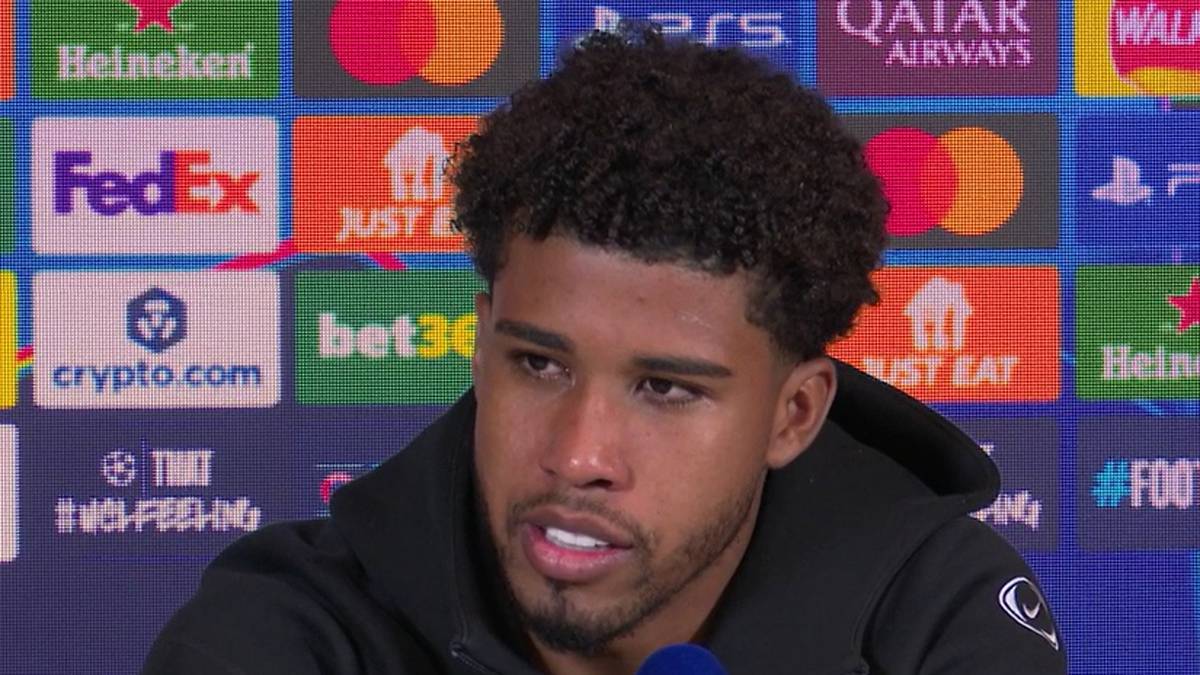
Behind the scenes at Racing Strasbourg, things are heating up. The departure of coach Liam Rosenior is intensifying a wave of protests in French football and raising big questions about multi-club ownerships.
Chelsea FC signs a new coach and gives him an outrageously long contract until 2032. So far, the signing of Liam Rosenior after Enzo Maresca’s departure didn’t seem particularly unusual. But on closer inspection, some abysses of modern football are revealed, which are causing huge waves, especially in France.
Because Rosenior’s signing was anything but ordinary. Within a very short time, Chelsea officials contacted Racing Strasbourg and snatched the coach away from the French team in the middle of the season.
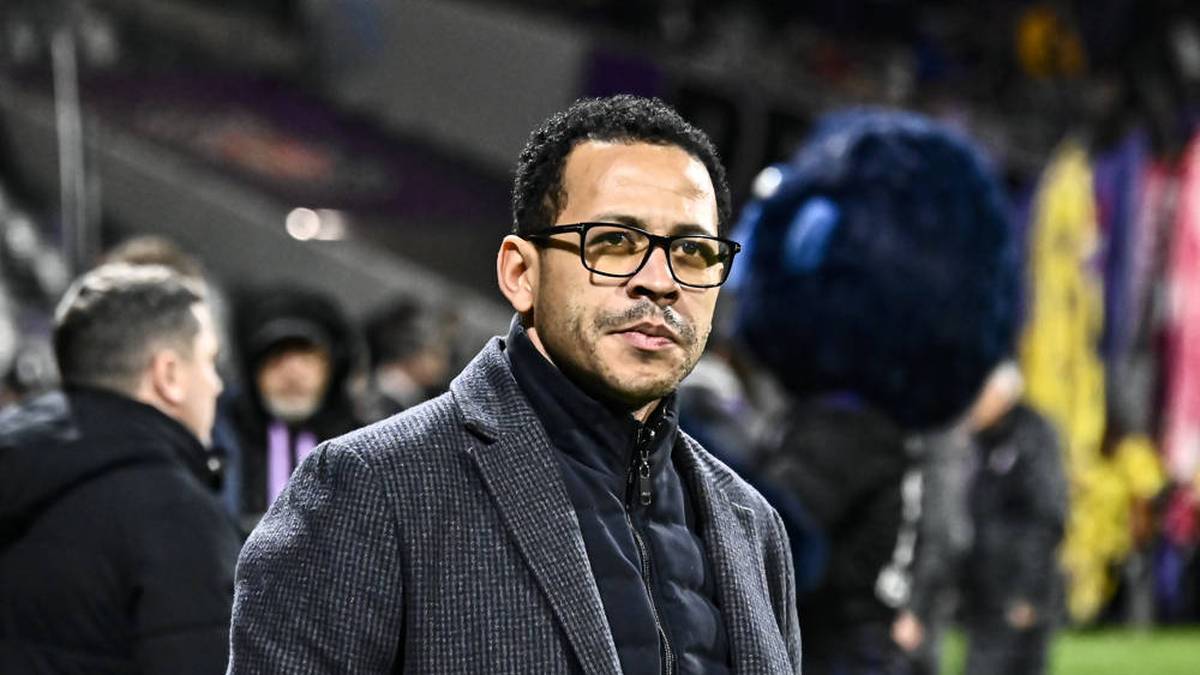
Liam Rosenior’s departure raises big questions
Rosenior celebrated great successes with Strasbourg, leading the club from the lower midfield to the European ranks last season. In the Conference League, they finished this year’s league phase as undefeated group leaders and are also in seventh place in Ligue 1.
“There are clubs you simply cannot say no to,” the Englishman now explained regarding his departure. Even though he admitted that the timing, to put it mildly, was “not ideal,” Rosenior probably genuinely had no choice.
“We are not Chelsea’s feeder club”
This was made possible by a phenomenon that has long been criticized in France, and especially in Strasbourg – multi-club ownership (MCO). In 2023, the BlueCo consortium took almost full control of Strasbourg. This is the same group that also took over Chelsea after Roman Abramovich’s departure in 2022.
During this period, the close connection was also evident in the transfer market. A total of 14 transfers have been completed between the two clubs since then. The current French squad alone includes three loan players from the Blues, as well as two players who were permanently signed from London in the summer. Top scorer Emmanuel Emegha is also already confirmed to leave next summer.
After the striker’s departure was announced, President Marc Keller stated in September 2025: “We are not Chelsea’s feeder club, but rather big and small brothers trying to work together.”
However, Rosenior’s sudden departure feels more like the big brother simply stole his favorite toy from the smaller one while the parents just watched.
Multi-Club Ownerships: Fans fear for the future of French football
While Strasbourg fans have been protesting for months, the pressure on President Keller is now increasing. “Liam Rosenior’s transfer is another humiliating step in Racing’s subservience to Chelsea,” the Strasbourg fan association criticized in a statement. It could be the straw that breaks the camel’s back.
The problem “goes far beyond the sporting implications in mid-season and the ambitions of a young coach,” the fans rumble. Instead, “the future of French club football is at stake.”
Keller, who has been in office since 2012, was once considered a symbol of the club’s resurgence, but has now become a target of anger. “Every further maneuver by Marc Keller, every additional minute he spends at the helm of the club, is an insult to the enormous work done before 2023,” reads the fans’ statement, which explicitly demands Keller’s resignation. Furthermore, they want to continue to “actively oppose multi-ownership” of clubs.
The multi-club ownership structure – which increasingly limits on distortion of competition – is also heavily criticized in the French press. “A flagship and its vassals – how cynicism and contempt shape the multi-ownership structure in Ligue 1,” titled L’Équipe , for example.
In the subsequent criticism, the newspaper described satellite clubs like Strasbourg as “mere adjusting screws in the machinery of larger interests,” whereby their own goals must always be “subordinated to the will of the flagship.”
Ligue 1: How a Crisis Led to the Rise of MCO
However, a closer look at the problem also revealed that numerous French clubs were more or less forced into dependence. Due to the Corona crisis, the cancellation of the 2019/20 season, and a botched TV deal, some clubs were forced to open up to investors. Furthermore, the paper questioned whether Strasbourg would ever have played in Europe or even avoided relegation without BlueCo.
The pressure on Keller also remains immense in the French media. His former national team colleague Christophe Dugarry also criticized the president’s actions on RMC .
“What do I accuse Marc Keller of? That he participates in a football I hate – this new football that has been forced upon us for years,” the ex-pro fumed and added: “I don’t know if we can turn back. This business football has turned our clubs into second-rate teams, into transit stations for elite clubs like Chelsea. Some have become doormats – like Nice. Look at Bordeaux, or almost Lyon. That is today’s football.”
Journalist Jean-Louis Tourre also explained on the “After Foot” show on RMC that Keller should have made it clear in the past that Strasbourg was more than just a “spare parts warehouse.” Today, however, the situation is: “Either he resigns – or he openly states: Yes, we are Chelsea’s reserve team.”
However, one thing is certain: While the 50+1 rule in the Bundesliga further limits investor control, teams in Europe’s other top leagues have few intervention options. UEFA also does not do much to counter multi-club ownership.
A cautionary example remains Crystal Palace: The club of former Bundesliga coach Oliver Glasner was excluded from the Europa League in the summer. The reason: A violation of MCO rules, which prohibit Palace from participating in the same competition as Olympique Lyon.